
Tags
bosiet, caebs, drill-ship, forensics, offshore, vdr, voyage-data-recorder
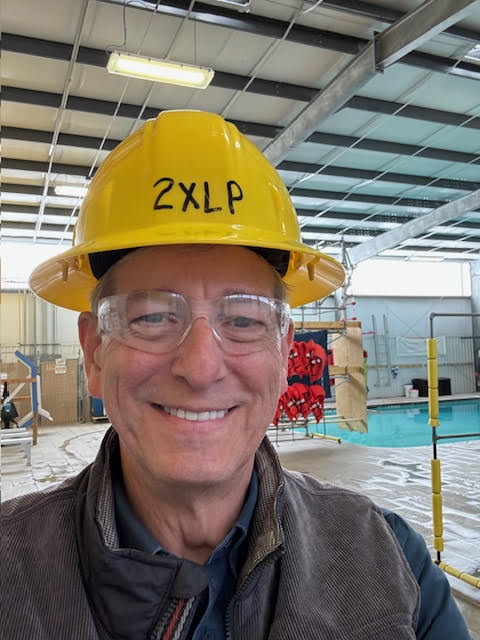
As a forensic examiner, I’ve gathered data in locales ranging from vast, freezing data centers to the world’s largest classic car collection. Yet, wherever work has taken me, I’ve not needed special equipment or certifications beyond my forensic skills and tools. That is, until I was engaged to inspect and acquire a Voyage Data Recorder aboard a drilling vessel operating in the Gulf of Mexico.
A Voyage Data Recorder (VDR) is the marine counterpart of the Black Box event recorder in an airliner. It’s a computer like any other, but hardened and specialized. Components are designed to survive a catastrophic event and tell the story of what transpired.
Going offshore by helicopter to a rig or vessel demands more than a willingness to go. The vessel operator required that I have a BOSIET with CAEBS certification to come aboard. That stands for Basic Offshore Safety Induction Emergency Training with Compressed Air Emergency Breathing System. It’s sixteen hours of training, half online and half onsite and hands on. I suppose I was expected to balk, but I completed the course in Houston on Thursday. Now, I’m the only BOSIET with CAEBS-certified lawyer forensic examiner I know (for all the good that’s likely to do me beyond this one engagement). Still, it was a blast to train in a different discipline.
A BOSIET with CAEBS certification encompasses four units:
- Safety Induction
- Helicopter Safety and Escape Training (with CA-EBS) using a Modular Egress Training Simulator (METS)
- Sea Survival including Evacuation, TEMSPC, and Emergency First Aid
- Firefighting and Self Rescue Techniques
As set out in the course curriculum, a BOSIET student must:
- Identify the generic hazards which are specific to offshore oil and gas installations, potential risks associated with those hazards, and how controls are put in place to eliminate or reduce risks.
- Identify key offshore related safety regulations and explain the basic safety management concepts
- Demonstrate, in a simulated environment, that they can use the safety equipment, and follow procedures in preparing for, and during helicopter emergencies – with particular focus on escaping from a helicopter following ditching.
- Demonstrate sea survival and first aid techniques
- Demonstrate that they can effectively use basic firefighting equipment, and practice self-rescue techniques in low visibility situations, to include smoke filled areas.
Completing the practical component of the training entailed four hours in the water wearing survival gear, donning breathing apparatus underwater, deploying and entering a lifeboat and “safely” jumping off an elevated platform into the sea. We then learned how to eject and escape through the windows of a helicopter after it ditches in the ocean, overturns and submerges. I’m a scuba diver, so am comfortable donning and purging breathing apparatus. That was familiar. Not so much the overturning underwater in the helicopter simulator. That was new…and exciting. The hardest part for me was entering an inflatable life raft from the water. But I succeeded, earning no points for poise and grace.
TEMPSC training followed. TEMPSC is an acronym for “Totally Enclosed Motor Propelled Survival Craft,” and what you’d call a “lifeboat” aboard a cruise ship. I’ve cruised forty-odd times and mustered with lifejackets more times than I can count; but I’ve never gotten to go inside a twinfall TEMPSC or pull the ripcords on an inflatable lifejacket and don the spray hood. That was cool!
After first aid training including CPR and AED operation, I got to fight a variety of real fires: Class A combustible, Class B liquids and Class C electrical using the appropriate extinguishers: CO2, water, powder and foam.
Next came self-rescue, which sounds like something requiring a therapist and a spa day. Instead, I had to navigate a dark room filled with obstacles while blindfolded, seeking safe exit while protecting myself and others from fire, smoke and other perils.
All-in-all, the practical was the best day I’ve spent at work in quite some time. I hope I never have to use these skills, but I’m glad to have the know-how should the need arise.


Pingback: Safety First: A Fun Day at the “Office” - F1TYM1
davidkeithtobin said:
impressive
LikeLiked by 1 person
lawrencebriggi said:
What an amazing experience for such a young fella. Well done!
LikeLiked by 1 person
Pingback: Week 51 – 2024 – This Week In 4n6