
Tags
bosiet, caebs, drill-ship, forensics, offshore, vdr, voyage-data-recorder
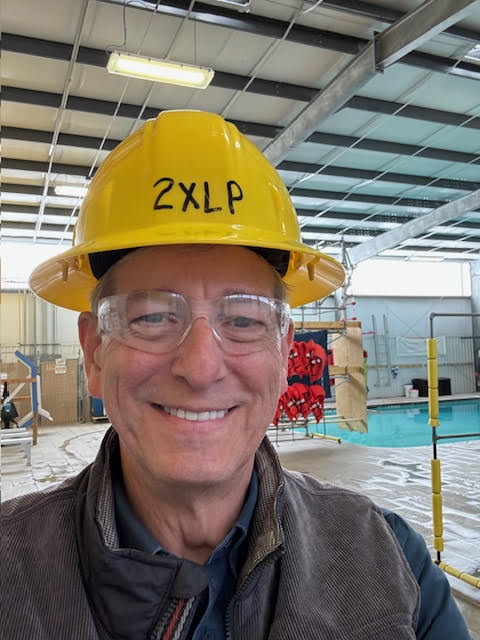
As a forensic examiner, I’ve gathered data in locales ranging from vast, freezing data centers to the world’s largest classic car collection. Yet, wherever work has taken me, I’ve not needed special equipment or certifications beyond my forensic skills and tools. That is, until I was engaged to inspect and acquire a Voyage Data Recorder aboard a drilling vessel operating in the Gulf of Mexico.
A Voyage Data Recorder (VDR) is the marine counterpart of the Black Box event recorder in an airliner. It’s a computer like any other, but hardened and specialized. Components are designed to survive a catastrophic event and tell the story of what transpired.
Going offshore by helicopter to a rig or vessel demands more than a willingness to go. The vessel operator required that I have a BOSIET with CAEBS certification to come aboard. That stands for Basic Offshore Safety Induction Emergency Training with Compressed Air Emergency Breathing System. It’s sixteen hours of training, half online and half onsite and hands on. I suppose I was expected to balk, but I completed the course in Houston on Thursday. Now, I’m the only BOSIET with CAEBS-certified lawyer forensic examiner I know (for all the good that’s likely to do me beyond this one engagement). Still, it was a blast to train in a different discipline.
A BOSIET with CAEBS certification encompasses four units:
- Safety Induction
- Helicopter Safety and Escape Training (with CA-EBS) using a Modular Egress Training Simulator (METS)
- Sea Survival including Evacuation, TEMSPC, and Emergency First Aid
- Firefighting and Self Rescue Techniques
 Ball in your Court