
 Is there a war on e-discovery? Sounds like a paranoid notion, but the evidence is everywhere. The purpose of discovery is to exchange information bearing on matters in litigation, particularly material tending to prove or disprove the parties’ claims and defenses. The soul of discovery is disclosure of relevant records and communication, limited by privilege and proportionality. So, you’d think the focus of e-discovery would be on where information resides and the forms it takes, on how to preserve it, collect it and produce it. That was what we talked about a decade ago, but, no more.
Now, when I look at the composition of e-discovery education, I’m flummoxed by how the tide has turned to anti-discovery topics. Instructing lawyers how to surface information has been steadily supplanted by how to keep information at bay and defend failures to disclose. There is no balance between supporting the right to obtain information and the right to withhold it.
Proportionality is about limiting the scope of discovery. Privacy and GDPR seek to limit access to information. Cost control is code for circumscribed discovery. Even cybersecurity tends to be positioned to confound discovery. I see discussions of “streamlining” privilege logs that advocate giving as little information as possible about items withheld on claims of privilege. Considering the regularity with which privilege claims are abused, shouldn’t we require greater specificity be brought to logging so that privilege stops being the black hole in which we hide everything we don’t want to hand over? Privilege is anathema to evidence and must be narrowly construed. No one talks about that.
Don’t get me wrong. These are important topics. Discovery needs to be just, speedy and inexpensive. But why do we keep forgetting that there’s a comma in there? Will we ever balance our self-interest in advancing our client’s wishes against our common interest in a justice system that serves everyone? Continue reading






 Two-and-a-half years ago, I concluded a
  It’s the month for giving thanks, and I’m ever-grateful for the daily e-discovery blog penned by my friend, Doug Austin, for CloudNine. It’s tough to get out a post every business day, and Doug’s done it splendidly for, what, nine years now? Kudos! Doug’s
 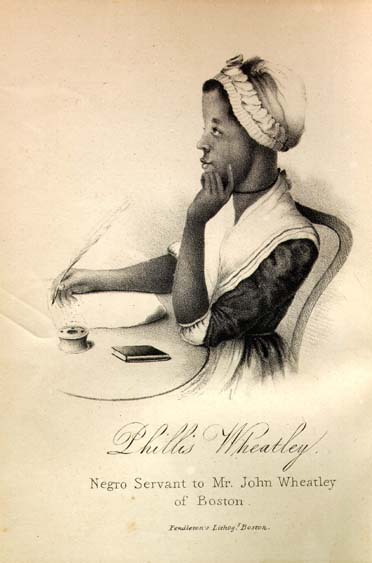 In 1829, Georgia made it a crime to teach slaves to read. Literate slaves threatened the control of their masters. If a slave could read the Bible, a slave could also circulate an inflammatory pamphlet or forge a pass. Literacy was a step to freedom. So, with Georgia on my mind, I ask, Are e-literate requesting parties a threat to th status quo?
  Ball in your Court